Turkey leader converts another Orthodox church into a mosque
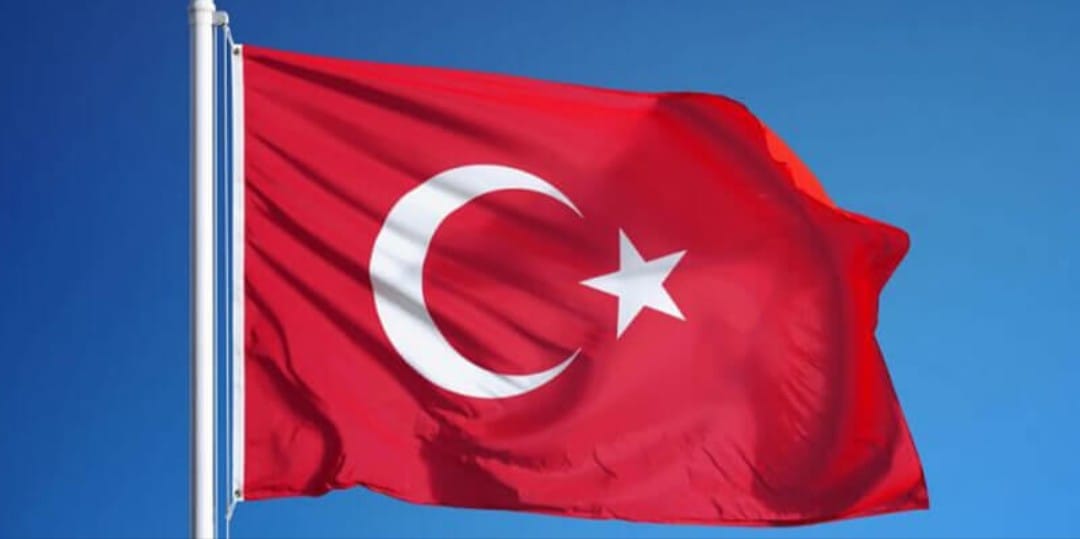
Istanbul: Turkish President Recep Tayyip Erdogan on Friday ordered another ancient Orthodox church that became a mosque and then a popular Istanbul museum to be turned back into a place of Muslim worship. The decision to transform the Kariye Museum into a mosque came just a month after a similarly controversial conversion for the UNESCO World Heritage-recognized Hagia Sophia.

Both changes reflect Erdogan’s efforts to galvanize his more conservative and nationalist supporters at a time when Turkey is suffering a new spell of inflation and economic uncertainty caused by the coronavirus. But the moves have added to Turkey’s problems with prelates in both the Orthodox and Catholic worlds. The Greek foreign ministry called the decision “yet another provocation against religious persons everywhere” by the Turkish government.
‘Steeped in history’
The 1,000-year-old Kariye building’s history closely mirrors that of the Hagia Sophia-its bigger and more famous neighbor on the western bank of the Golden Horn estuary on the European side of Istanbul. The Holy Savior in Chora was a Byzantine church decorated with 14th-century frescoes of the Last Judgment that remain treasured in Christendom. It was originally converted into the Kariye Mosque half a century after the 1453 conquest of Constantinople by the Ottoman Turks.
It became the Kariye Museum after World War II as Turkey pushed ahead with the creation of a more secular new republic out of the ashes of the Ottoman Empire. A group of American art historians then helped restore the original church’s mosaics and opened them up for public display in 1958. But Erdogan is placing an ever greater political emphasis on the battles that resulted in the defeat of Byzantium by the Ottomans.
Turkey’s top administrative court approved the museum’s conversion into a mosque in November. “It’s a place steeped in history which holds a lot of symbolism for a lot of different people,” said 48-year-old French tourist Frederic Sicard outside the building. “For me, (these conversions) are a little difficult to understand and to follow. But we would visit if it were a mosque. We might just have to arrange visits around prayer times.”
‘Shame for our country’
The sand-coloured structure visible today replaced a building created as a part of a monastery when Constantinople became the new capital of the Roman Empire in the fourth century. It features a minaret in one corner and small cascading domes similar to those of other grand mosques whose calls to prayer echo across the hills of Istanbul.
But inside it is filled with magnificent frescoes and mosaics that represent some of the finest examples of Byzantine art in the Christian world. Turkey’s tumultuous efforts to reconcile these two histories form the underpinnings of the country’s contemporary politics and social life. Opposition HDP party lawmaker Garo Paylan called the transformation “a shame for our country”. “One of the symbols of our country’s deep, multicultural identity and multi-religious history has been sacrificed,” he tweeted.
Ottoman Empire historian Zeynep Turkyilmaz called the conversion “destruction” because the building’s walls are lined with Christian art that would have to be either covered up or plastered over-as it was by the Ottomans. “It is impossible to hide the frescoes and mosaics because they decorate the entire building,” the historian told AFP. Yet some locals fully supported the change. “There are dozens, hundreds of churches, synagogues in Istanbul and only a few of them have been opened to prayer as mosques,” said Yucel Sahin as he strolled by the building after the morning rain. “There is a lot of tolerance in our culture.” | AFP